
The Booming Bourbon Industry: Tradition Meets Innovation
Ever feel like bourbon’s popping up everywhere these days? You’re not imagining it! The bourbon industry is undergoing a modern renaissance, blending rich traditions with contemporary demand. It’s pretty exciting, right? Seeing how this age-old distillation craft is captivating a whole new generation of fans is just fascinating. Bourbon, with its ability to balance heritage and innovation, creates a unique drink that transcends cultures and generations.
The Timeless Vessel That Powers a Billion-Dollar Industry
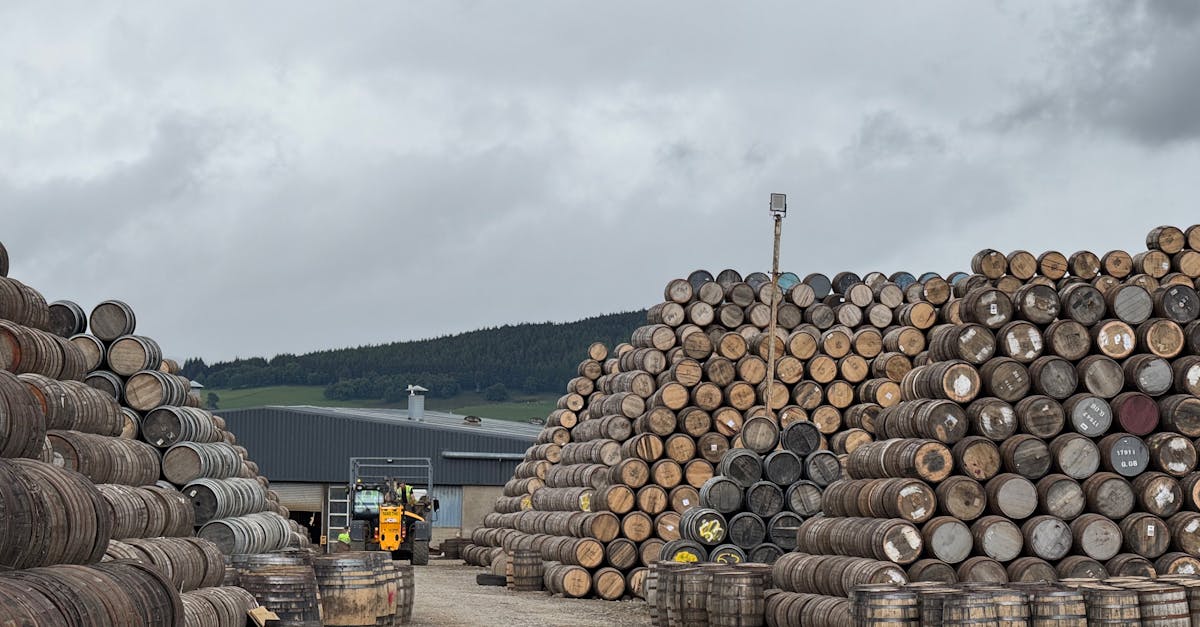
When you think of products that have remained virtually unchanged for 2,000 years yet still drive global commerce, the wooden barrel might not immediately come to mind. First crafted by the Celts and Romans, these oak vessels have held nearly every commodity throughout history. While metal, plastic, and cardboard have replaced barrels for most shipping needs, one industry remains utterly dependent on them: bourbon whiskey. By federal law established during Franklin Roosevelt’s administration in the 1930s, bourbon must be aged in new charred oak containers—no exceptions. This single requirement has transformed the cooperage industry into a booming business, with 3.2 million new barrels filled with whiskey last year in Kentucky alone. More than 14 million full barrels are currently aging in massive warehouses across the state, representing not just liquid gold, but a testament to tradition meeting regulation.
The Cooperage Craft: Where Wood Becomes Magic
At Independent Stave Company, the world’s largest maker of wooden barrels, CEO Brad Boswell oversees a process that marries ancient craftsmanship with modern precision. Each barrel is constructed from 28 to 32 staves of white oak, assembled entirely without nails or glue through a technique perfected over centuries. Today’s cooperages create bespoke barrels, knowing exactly which distillery will receive each one before it’s even finished. The transformation happens in the char oven, where the inside of the barrel is briefly set ablaze, creating what they call “alligator char” because the charred surface resembles an alligator’s back. Contrary to what you might expect, these charred barrels don’t smell like a campfire—the toasting process brings sugars in the wood to the surface, setting the stage for bourbon’s signature flavors. This meticulous preparation is why people have continued using oak barrels for 2,000 years: nothing else can replicate what they do. Most barrels from Independent Stave can be used for more than 50 years, though they can only be used for bourbon once.
The Distiller’s Perspective: How Barrels Create Bourbon’s Soul
Dan Callaway, master blender at Bardstown Bourbon Company, estimates that 50% to 80% of bourbon’s character comes directly from the barrel. Clear liquid—essentially moonshine—enters the barrel from the distillery’s still, and emerges years later with a toasty color and smooth, complex flavor profile. Callaway compares the aging process to a seesaw coming into balance, with the barrel contributing notes of caramel, vanilla, and baking spice. The magic intensifies through Kentucky’s dramatic temperature swings in the rickhouses where barrels are stored on multiple floors. When temperatures rise, the wood expands and allows liquid to penetrate deeper; when it cools, the wood contracts, creating a natural in-and-out progression. This interaction between liquid and wood over four, five, or six years is what makes bourbon bourbon. Inside Bardstown’s rickhouses, 23,500 barrels sit on six floors, each one slowly transforming clear distillate into America’s native spirit.
Exploring the Economic Impact of Barrels in the Booming Bourbon Industry
The bourbon barrel business represents a remarkable convergence of tradition, regulation, and economic opportunity that extends far beyond Kentucky’s borders. The federal requirement for new charred oak barrels has created sustained demand that barrel makers can reliably forecast and plan around. This regulatory framework, combined with bourbon’s explosive growth since the early 2000s, has transformed cooperages from modest operations into sophisticated manufacturers producing millions of barrels annually. The ripple effects touch American white oak forests, transportation networks, tourism along the Kentucky Bourbon Trail, and distilleries from Scotland to India that depend on used barrels. Even the investment community has taken notice, with funds purchasing aging whiskey barrels as alternative assets that appreciate over time. The 60 Minutes segment revealed how this 2,000-year-old technology continues to drive innovation, from bespoke barrel designs for specific distilleries to the sophisticated logistics of moving thousands of barrels internationally each week. In an age of rapid technological change, the bourbon barrel stands as proof that sometimes the old ways aren’t just the best ways—they’re irreplaceable.
Investing into Contract Distilling Industry
Contract distilling offers investment opportunities in B2B spirits manufacturing facilities that produce bourbon, whiskey, and other spirits for craft brands and entrepreneurs who lack their own production capabilities. These facilities provide end-to-end services including distillation, aging, bottling, and logistics, allowing smaller brands to enter the market without the substantial capital required to build distilleries. The business model capitalizes on the growing craft spirits market while generating revenue through production fees, storage charges, and value-added services like brand development and packaging. Investments typically involve long capital lock-up periods due to bourbon’s multi-year aging requirements and high upfront construction costs, but can offer attractive returns as the facility scales and builds a stable client base. Success depends on securing committed customer contracts, efficient operations, and navigating the cyclical nature of the spirits industry.
See Our Investment Opportunity

Learn more on CBS
Inside the booming, bourbon-driven barrel business | 60 Minutes
Leave a Reply